Adobe Roof Raising
By Efren Ulloa, What’s Happening!
With a Grant from the Wilmette Arts Guild
Click on any image to enlarge
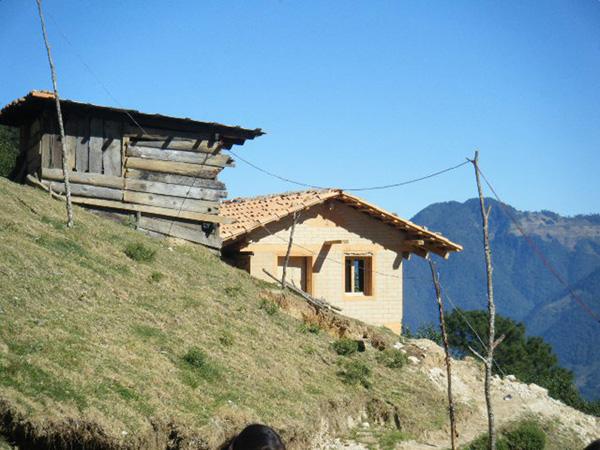
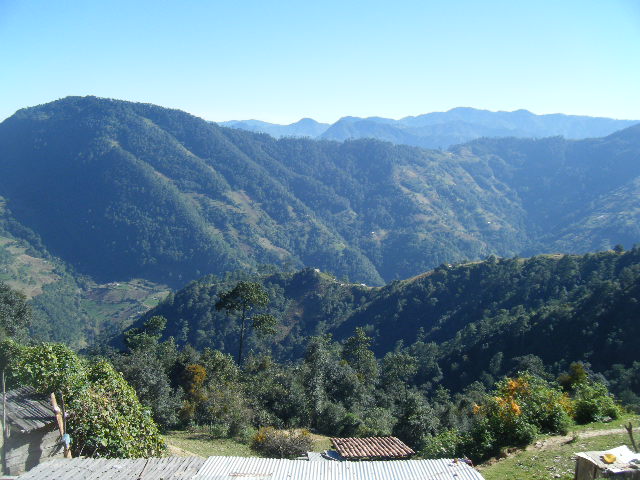
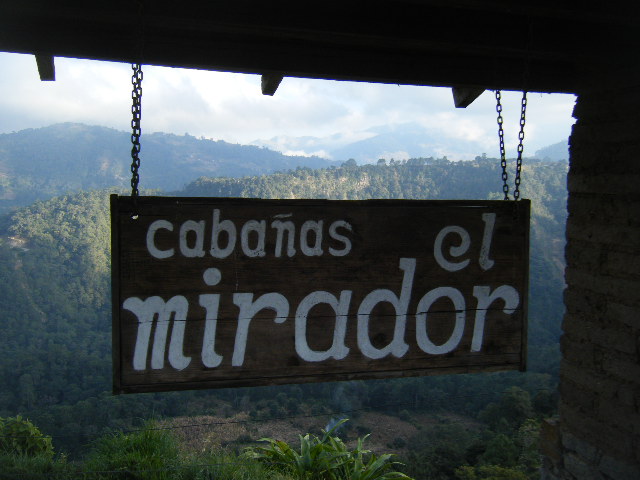
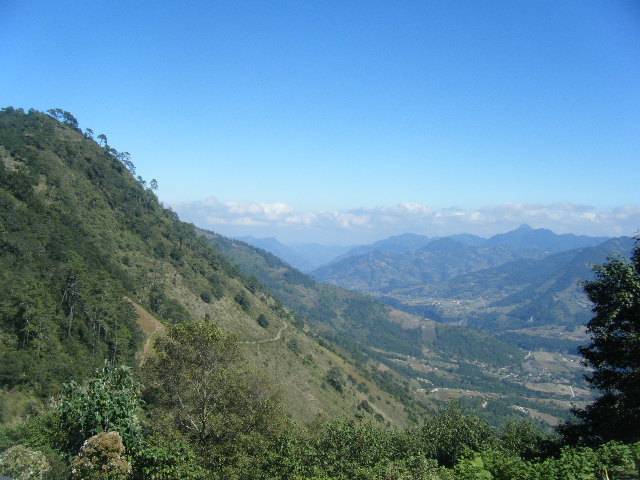
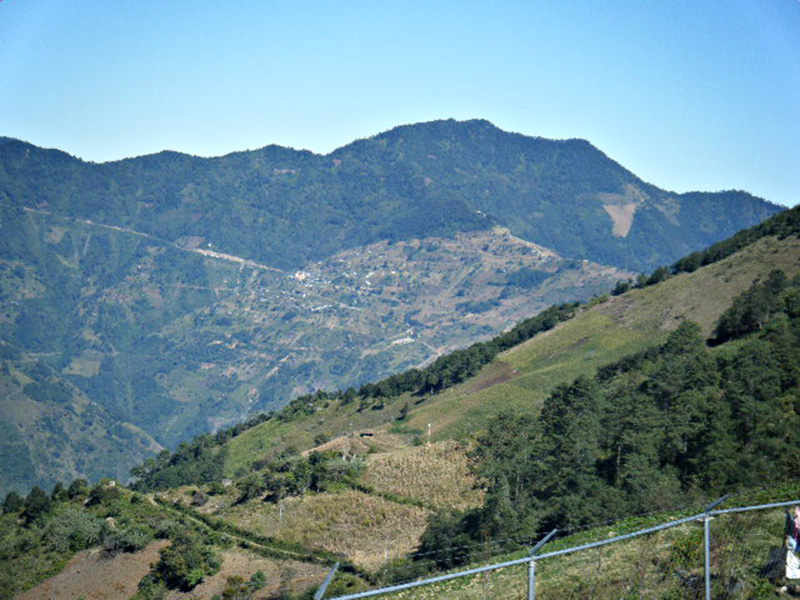
Sitting at a scenic and breathtaking 9842 ft. among the majestic and towering Sierra Norte Mountains of Mexico lies the tiny but proud indigenous village of Cuacuila. It is home to roughly 1700 inhabitants. It is one of several indigenous communities sprinkled throughout the Sierra Norte, where Spanish, the national language, and the indigenous tongue Nahuatl are spoken. Incredibly, Cuacuila is one of 58 municipalities that belong to the city Zacatlan De Las Manzanas, about 150 km east of Mexico City. Even though each one of these communities partakes in its own proud customs and traditions, Cuacuila finds itself as the leader of a movement that promises, in time, to benefit and improve many of these communities. Only a few days removed from the urban jungle that is the Chicagoland area, I was overwhelmed by the ubiquity and endlessness of the mountains, whose perpetuity and grandeur emanated tranquility and peace.
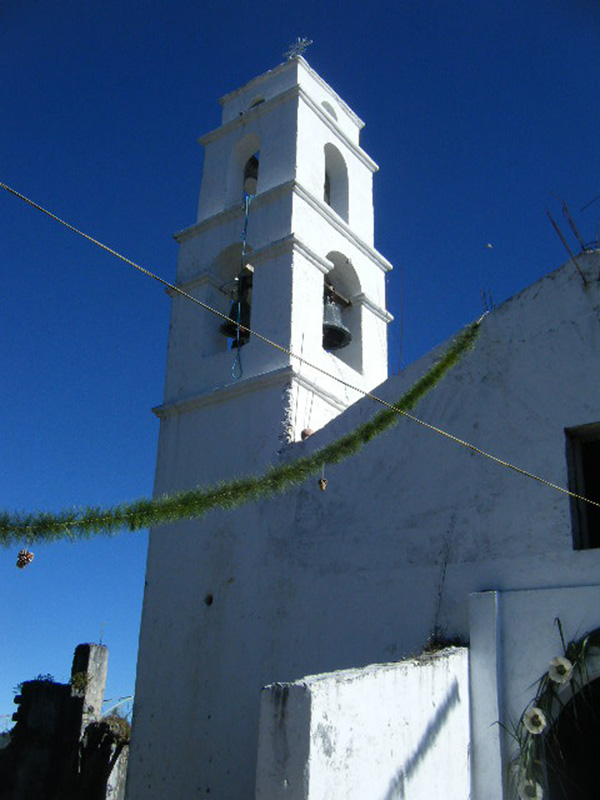
About a 2‑hr drive from Zacatlan, there is no form of public transportation that reaches Cuacuila. It is only accessible by renting or hiring a private car to trek the journey through the various winding and ascending mountain dirt roads. The town is indeed small, housing a small church, a mess hall, a small number of colonial style houses, a presidential palace, and a recently constructed room and board building for the various school children that come to Cuacuila from other communities. The one-floor but roomy building is equipped with numerous bunk beds for the kids who dorm there on weekdays and return home to their respective, isolated villages and families on weekends.
Humble as it may seem, what makes Cuacuila a pioneering community amongst its peers is the impressive and respectable work it has done over the past year overseeing and authoring the construction of adobe houses for its people. Along with 16 other indigenous communities, Cuacuila formed an organization called CIUDEMAC (United Indigenous Communities in Defense of Our Corn and Our Culture) dedicated to building respectable and decent homes for its villagers. Although comprised of several communities, Cuacuila has quickly established itself as the heart and soul of the organization.
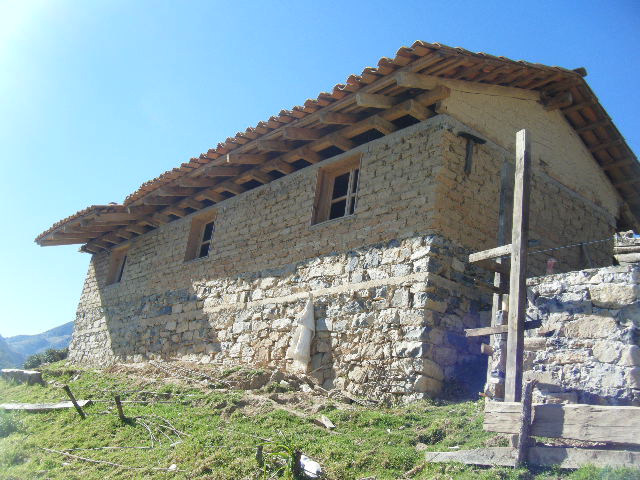
The organization’s objective is to build using only local materials, such as earth, brick, and stone, abundant materials found in Cuacuila. The benefit of the project is that very little, none in some cases, of material is purchased or adversely affects the environment. CIUDEMAC’s reverential respect for the environment, evidenced by its use of natural resources and its globally conscious effort to produce homes in a minimally invasive manner to Mother Earth, is one of its more outstanding qualities. By exclusively using crude earth and local materials, the organization also believes that the villagers themselves become the authors of this Mesoamerican project.
Another major goal the organization made was the preservation and promotion of the area’s indigenous culture. CIUDEMAC strives to revive and empower the cultural identity that, although present, lives on in these humble villages by respecting the traditional forms of organization and construction of the villages. Their efforts have not been lost on the people, who feel pride and distinction at the rise of their culture and traditions. The organization’s efforts caught the attention of the Wilmette Art Guild, an ardent supporter of cultural preservation, precisely because of this.
Not only does CIUDEMAC have such admirable goals, but the houses constructed so far have been professionally and proficiently built. Since the program’s inception in November 2009, a total of 49 adobe houses have been made, 11 in the last 2 months alone.
The beauty of the project is its positive impact on so many different levels. Not only is it an environmentally friendly project that provides adequate housing for community members but the project also gives people a real sense of accomplishment because the community puts these houses together themselves. Typically, 3 groups of 7 people will work on one house, sharing building knowledge, strength, and teamwork. The following day, they move on to the next house. In this way, each member of the community repays the other with their labor and hard work that goes into the erection of the homes. This in and of itself demonstrates the strength in numbers the community possesses, coming together to build something to benefit one of their very own.
CIUDEMAC’s project, of course, required a certain amount of revenue to finance materials and direction. After the 16 communities banded together, they petitioned the government for financial assistance to fund their project. The government agreed to subsidize the cost of materials and the assistance of a select group of architects like Pablo R. Rocalde Gonzalez and Carlos Vilagro, who would guide and direct the people of Cuacuila in the building process.
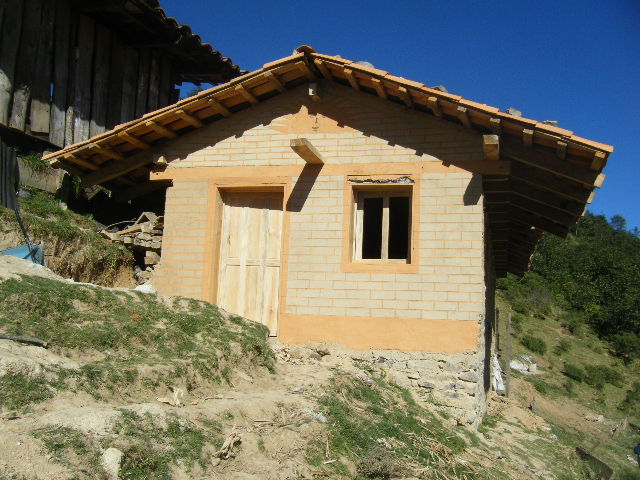
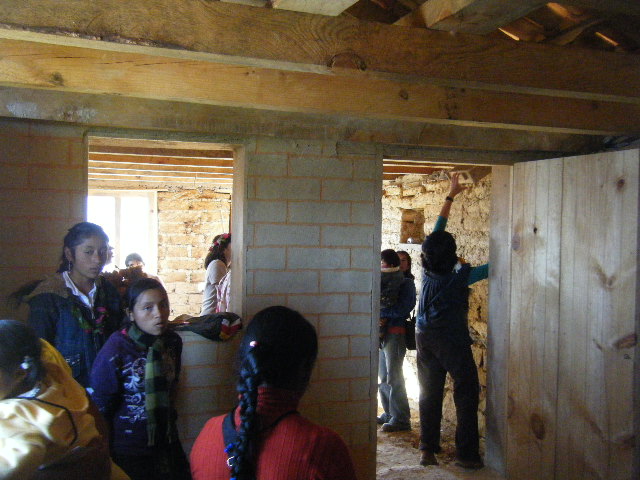
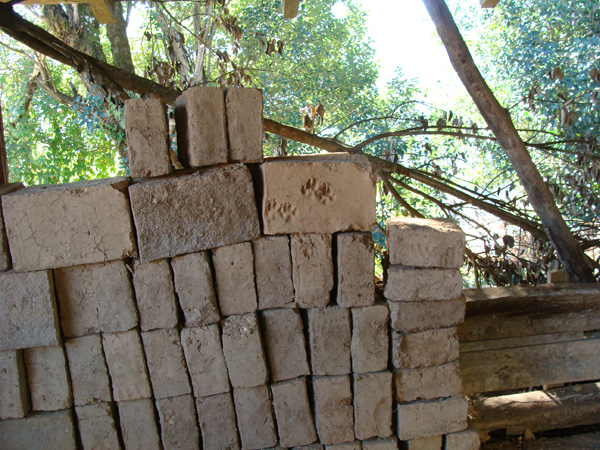
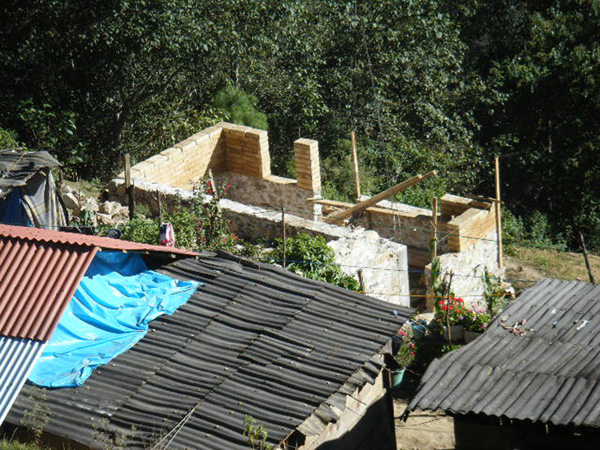
Once the money was in place, the project entered the construction phase. Using 30x40 blocks of adobe, earth, stones, wood, a minimal amount of cement for foundation work, and the guidance of the architects, the people of Cuacuila slowly but surely began building their homes of the future. Although generally all the same size, each person was given enough flexibility and freedom as to the layout of the rooms, allowing for a good deal of individuality to shine through. The finished product has a price tag of roughly 40,000 pesos, just under 3,300 dollars. This modest sum of money is enough for 4 rooms, with each house tailored to comfortably accommodate the family soon to move in.
Mario Lopez Cabrera’s house was one of the first to be built, a fact near and dear to him that he explained to me, delight and joy etched on his face. His family of four was ecstatic and proud of their accomplishment and very eager to move in. Although our plan was to return to Zacatlan, unforeseen circumstances regarding our driver necessitated an overnight stay. In the wonderfully affable spirit of the community at large, Cabrera was gracious enough to allow the use of his home for the night.
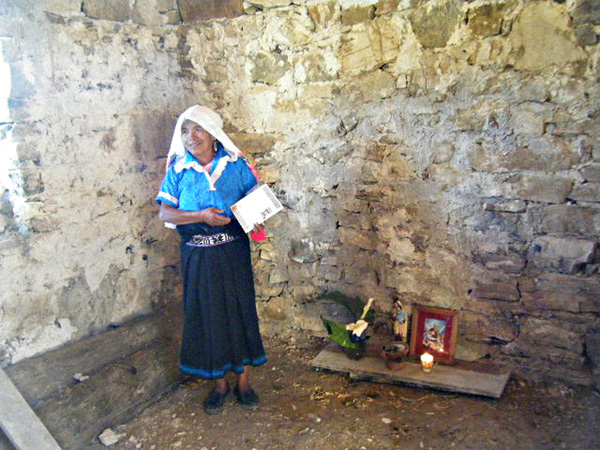
The first-hand experience of actually sleeping in one of the houses was remarkable. Cabrera proudly explained that because of the thermal quality of the adobe, the houses feel nice and cool during the day despite the strong sun and warm and toasty at night, when temperatures can dip below 50 degrees. It must be noted, however, that the house is not yet equipped with running water. The kitchen and a bathroom, perhaps an outhouse, remain in the works. Although not quite complete, on the whole, the house proved to be wholly comfortable, accommodating, and warm, just like Cabrera promised. Needless to say, the experience of being one of the first to spend the night was unique and memorable.
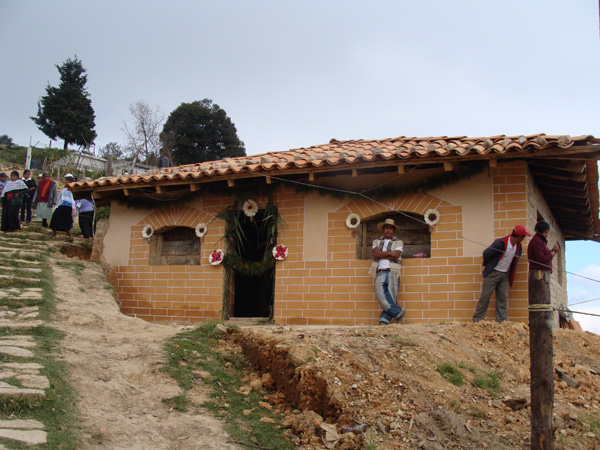
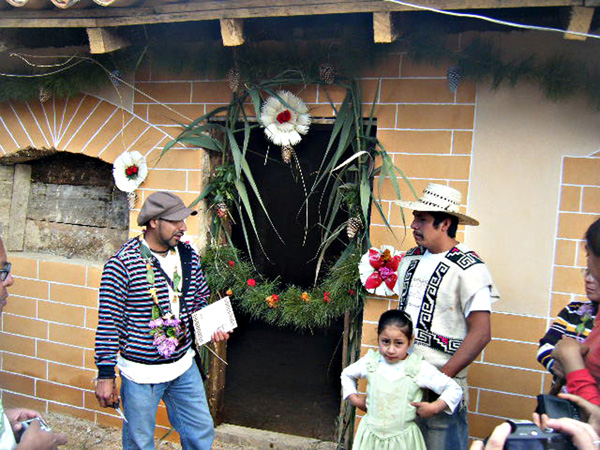
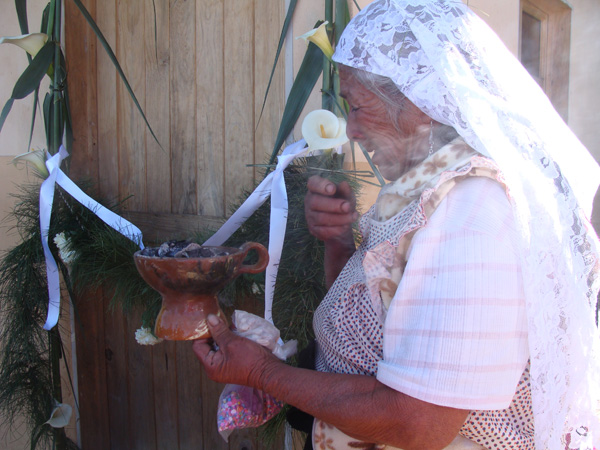
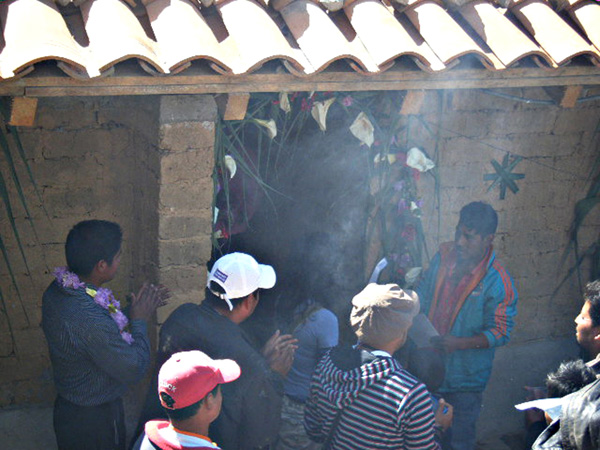
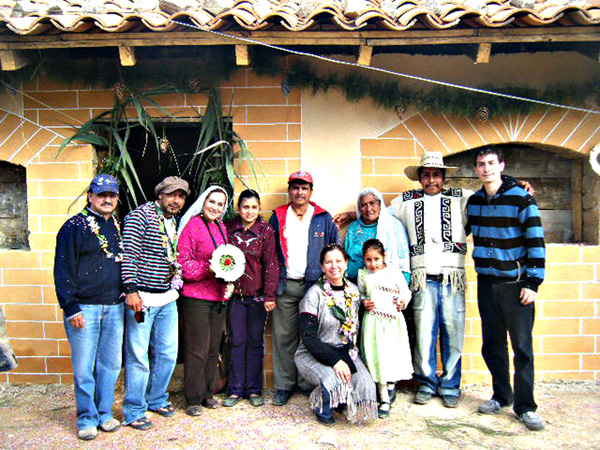
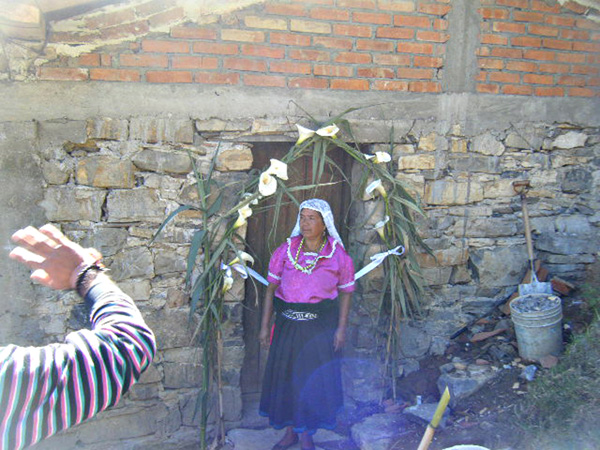
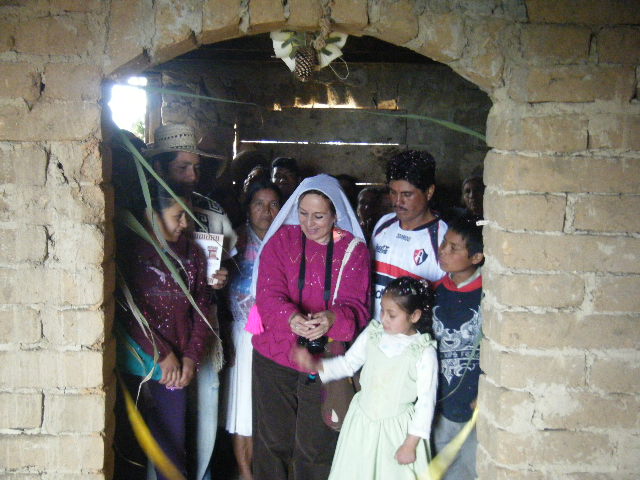
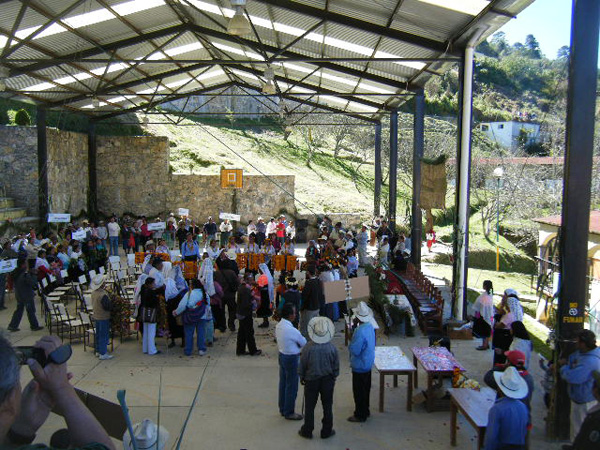
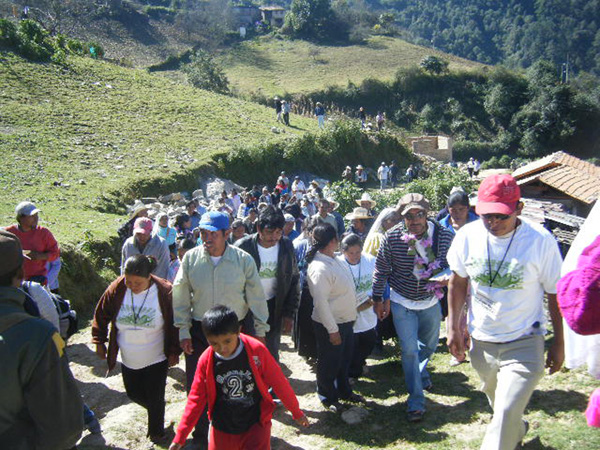
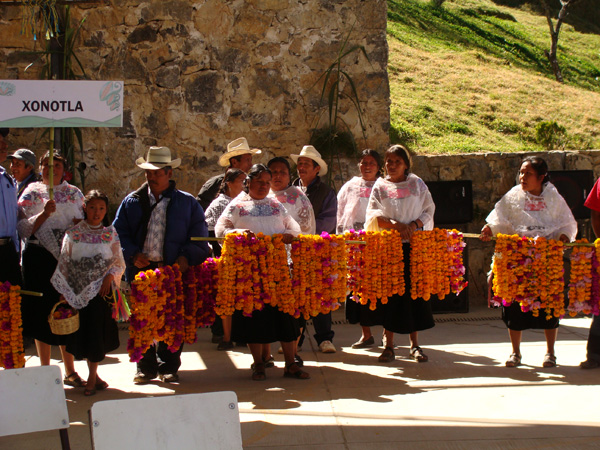
Thermal homes and bright, sunny weather aside, the main reason this lovely weekend in December was so remarkable were the ceremonies held for the new homeowners. In addition to the people of Cuacuila, an estimated 500 people from neighboring indigenous communities came to celebrate the event. A ribbon-cutting ceremony was held for each new home that had been recently or nearly completed and each owner was awarded a certificate declaring them official homeowners. People wept with joy and hugged their fellow neighbors. Especially compelling and humbling was the realization that these villagers carried pieces of their homes, like the stones that now constitute their floors, on their backs, pouring their labor and sweat into this endeavor. The utter joy and emotion on their faces is what made this weekend in Cuacuila truly magical.